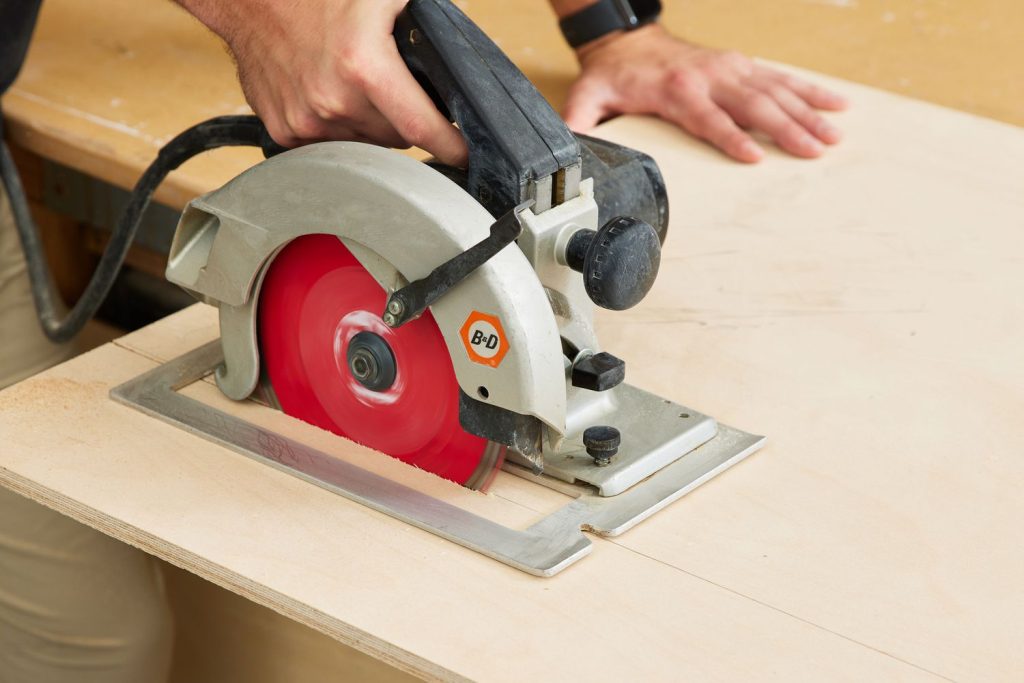
Selecting the right tool for a woodworking or construction project can define the quality of your results. When it comes to power cutting tools, few decisions carry as much weight as choosing the right saw. Circular saws sit at the intersection of precision, speed, and versatility—making them a staple in both professional workshops and home garages. This guide breaks down the key factors you need to evaluate before making a purchase, so every cut you make is clean, safe, and efficient.
Understanding What Makes a Circular Saw the Right Fit
Not every circular saw is built for the same purpose. Some are engineered for heavy-duty lumber cutting on job sites, while others are designed for lighter DIY tasks around the home. Before you evaluate technical specifications, start by identifying the type of work you’ll be doing most often.
Professionals who work with dense hardwoods, engineered lumber, or thick composites need a saw with strong motor performance and blade stability. Hobbyists working on shelving units or trim projects have different needs entirely. Matching the tool to the task is the first and most important decision in this process.
Key Specifications to Evaluate Before Buying
Blade Size and Its Impact on Cutting Depth
Blade diameter directly determines how deep a saw can cut in a single pass. Larger blades handle thicker materials with ease, while smaller blades offer better maneuverability in tight spaces. Most general-purpose saws use a blade diameter that balances both cutting depth and control—ideal for framing, decking, and sheet goods.
If your projects involve varying material thicknesses, look for a saw with an adjustable depth stop so you can dial in the exact cut depth without guesswork.
Motor Power and Cutting Performance
Motor strength influences how smoothly a saw cuts through dense or layered materials. A higher-powered motor maintains consistent blade speed under load, which translates directly into cleaner cuts and reduced splintering. Underpowered saws tend to bog down mid-cut, which can cause the blade to bind—a frustrating and potentially dangerous situation.
When evaluating motor performance, consider the type of materials you’ll cut regularly. Softwoods and plywood are far less demanding than hardwoods or fiber cement, which require sustained power to cut accurately.
Corded vs. Cordless: Which Should You Choose?
This is one of the most debated choices among tradespeople and woodworking enthusiasts alike. Corded saws deliver consistent power without the concern of battery life, making them ideal for extended sessions on job sites with power access. Cordless models offer freedom of movement and are well-suited to remote locations or situations where running a cord is impractical.
Battery technology has advanced considerably, and today’s cordless circular saws can rival corded models in performance for most tasks. The deciding factor often comes down to how and where you work most frequently.
Bevel Capacity and Angle Adjustments
Accurate bevel cuts are essential for roof framing, staircase construction, and decorative trim work. A saw’s bevel capacity—the range of angles it can tilt to—determines the complexity of cuts you can achieve.
Look for a saw that offers a positive stop at the most commonly used bevel angles. This feature allows you to quickly return to a precise angle without re-measuring each time, which saves significant time on repetitive cuts. A clear, easy-to-read bevel scale with fine adjustment capability is also worth prioritizing.
The Role of the Base Plate in Cutting Accuracy
The base plate, or shoe, is the flat surface that rests against your workpiece as you cut. Its quality has a direct impact on the accuracy and stability of every cut you make. A warped or flimsy base plate introduces inaccuracies that even the most skilled operator cannot fully compensate for.
Magnesium and aluminum base plates offer the best combination of rigidity and light weight. Stamped steel plates are more common in budget models but tend to flex under pressure, particularly when cutting edge bevels or using a fence guide.
Before purchasing, check whether the base plate can be adjusted for square. A saw that ships with the blade perfectly perpendicular to the shoe will save you time on setup and reduce the chance of angled cuts when you need straight ones.
Safety Features Worth Prioritizing
Circular saws are powerful tools, and safety should never be an afterthought. Several design features significantly reduce the risk of injury during use.
An electric brake stops the blade within seconds of releasing the trigger—a critical feature when making multiple cuts in quick succession. Without it, the blade continues spinning for several seconds after cutting stops, increasing exposure time to a moving blade.
Blade guards are standard on most saws, but their quality varies. A well-designed lower guard retracts smoothly and returns to its rest position without catching on the workpiece. Guards that stick or snap back unpredictably are both annoying and hazardous.
Anti-snag lower guards, which feature a curved leading edge, are particularly useful when plunge cutting or working near edges. They reduce the risk of the guard catching and causing a kickback event.
Dust Management and Visibility
Dust accumulation on the cut line is a common complaint among users of lower-quality saws. When sawdust obscures the blade path, cut accuracy suffers—and so does your ability to follow a line confidently.
Better saws feature effective dust extraction ports that channel debris away from the cutting area and toward a dust bag or vacuum connection. Some models include a blower that clears the cut line continuously. Both solutions contribute to cleaner cuts and a safer working environment.
Handle Design and Ergonomics
A saw you can hold comfortably for extended periods is a saw you’ll use more accurately. Handle ergonomics influence grip stability, vibration transfer, and operator fatigue—all of which affect the quality of your cuts over the course of a long project.
Top-grip and barrel-grip handle designs each have their advocates. Top-grip handles offer excellent control for straight cuts, while barrel-grip designs provide better sight lines for following a cut line precisely. Try both configurations if possible before committing to a model.
Making Your Final Decision
Choosing a circular saw is a deliberate process that rewards careful evaluation. Prioritize motor strength, blade quality, base plate rigidity, and ergonomic comfort—then layer in the safety and dust management features that matter to your workflow.
A well-chosen saw will outlast many projects and pay for itself in accuracy, efficiency, and reduced material waste. Take your time, handle the tools in person where possible, and buy the best quality your budget allows.